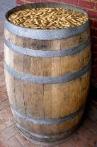
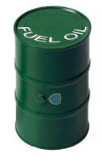
| Fuel Oil #2 Cost per gallon in dollars $ 3.36 Appliance Efficiency % 78 Cost per million BTU=$31.22 |
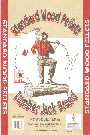
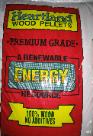
| Wood Pellets Cost per ton in dollars $ 225.00 Appliance Efficiency % 80 Cost per million BTU=$17.15 |
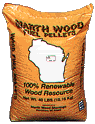


Wood and Pellet Heating
Pellet fuel appliances, which burn small pellets that look like rabbit feed and measure 3/8 to 1 inch in length. Pellets are made from compacted sawdust, wood
chips, bark, agricultural crop waste, waste paper, and other organic materials. Some pellet fuel appliances can burn a wide variety of biomass fuels, including
nutshells, corn kernels, small wood chips, barley, beet pulp, sunflowers, dried cherry pits, and soybeans.
Advantages to Heating with Biomass
Using biomass fuels helps mitigate such environmental issues as acid rain and global
climate change. Perhaps the greatest advantage of biomass fuels, however, is that they
cost on average 25-50 percent less than fossil heating fuels and are more stable in pricing.
It is unlikely that any future carbon or energy taxes will increase the cost of biomass
fuels and are more likely to raise the cost of heating with fossil fuels. The technology is
becoming well established in the North American market and the choice to heat with
biomass fuels can be as simple as choosing a traditional fossil fuel heating system.
In addition, wood pellets:
• are convenient and easy to use, and can be bulk stored in less space than other biomass
fuels
• have a high energy content, and the technology is highly efficient compared to other
biomass fuels
• are a clean-burning renewable fuel source
• are produced from such waste materials as forestry residues and sawdust
• are price stable compared to fossil fuels
Wood pellets are a common type of biomass. Biomass is any biological material that can be used as fuel—including grass,corn, wood, and biogas as well as
other forestry and agricultural residues. Fuel equivalences. For heating, one ton of wood pellets equals…
• 120 gallons of heating oil
• 170 gallons of propane
• 16,000 ft3 of natural gas
• 4,775 kilowatt hours (kWh) electricity
Paying $200/ton for pellets is the same as paying…
• $1.67 per gallon for heating oil
• $1.18 per gallon for propane
• $12.50 per (1,000 ft3) for natural gas
• $0.04 per kWh for electricity
The comparisons above show, for example, that the heat provided by one ton of wood pellets is equal to the heat provided by 120 gallons of heating oil, and
paying $200 per ton for wood pellets is the same as paying $1.67 per gallon of heating oil. The savings in fuel costs using wood pellets can be figured out by
comparing the actual price of the current heating fuel to the price equivalent given in the table. A building owner paying $2.30 per gallon of heating oil would
save $.63 per gallon displaced (the difference between $2.30 and $1.67), or 27 percent, representing a yearly savings of $2,700 on a $10,000 annual fuel bill.
In general, space heating with wood pellets is less expensive than with fossil fuels.
Natural gas is the only heating fuel that is not always more expensive (on a MMBtu basis) than wood pellets. That is why buildings
that currently heat with natural gas are not always good candidates for converting to wood pellet heating.
Who Should Consider Wood Pellet Heating?
There are currently about 800,000 homes in the United States using wood pellet stoves or furnaces for heating, according to the Pellet Fuels Institute. Wood
pellets are manufactured in the US and Canada, and are available for residential use in 40-pound bags from feed stores, nurseries, and other supply outlets.
Increasingly, heating with wood pellets is becoming common on larger scales—in municipal or federal buildings, educational facilities, housing complexes, office
buildings, and other businesses. While the majority of installations of this size are in Europe, a growing number are in North America, including New England.
The greater heating requirements of these larger buildings differ from those of residential settings, thus requiring different technology (boilers rather than
stoves) and fuel supply infrastructure (bulk wood pellet
supply rather than bags).
Ash content: The amount of ash produced during combustion relative to the amount of fuel fed into the wood pellet boiler. Ash content is one indicator of
quality for wood pellet fuel. Ash content for wood pellets should be between 1 and 3 percent.
Biomas: Any biological material, such as wood or
grass, that can be used as fuel. Biomass fuel is burned or converted in systems that produce heat, electricity, or both.
British thermal unit (Btu): A unit used to measure the quantity of heat, defined as the quantity of energy required to heat 1 lb. of water 1° F. It
takes about 1,200 Btu to boil 1 gallon of water.
Criteria air pollutants : A group of air pollutants regulated by the US Environmental Protection Agency and state air pollution control agencies to protect
human health and the environment.
Energy content: The total Btu per unit of fuel. For biomass fuels, energy content can be considered on a dry or wet basis, since the amount of
energy per pound of fuel is reduced with increasing moisture content.
Fossil fuels: A group of combustible fuels, such as oil, propane, coal, or natural gas, formed from the decay of plant that animal matter and can be burned to
produce energy. Liquid fossil fuels include oil, gaseous fossil fuels include propane, and solid fossil fuels include coal.
Global climate change: A term that is interchangeable with “global warming” and refers to the warming of the earth caused by the buildup of greenhouse
gases (such as carbon dioxide, water vapor, and methane) in the atmosphere. While these gases are naturally occurring, humans are increasing these
amounts through burning fossil fuels and other activities.
heating DEGREE DAYS: A measure used to estimate energy requirements for heating. It is calculated by subtracting the average daily
temperature in a given area from 65 degrees Fahrenheit. Yearly totals can be used to compare the severity of the winter in different regions.
Life cycle cost: The total cost to purchase, own, and operate a piece of equipment over its entire life. The life cycle costs of several heating system options
can be compared to determine which option will be the least expensive to own and operate over the entire expected life of the heating system.
million British thermal units (MMBtu): The amount of heat energy roughly equivalent to that produced by burning eight gallons
of gasoline.
Moisture content: The total amount of water in a biomass fuel given as a percentage of the total weight of the fuel. Wood pellets, for example,
typically have 6 percent moisture content, while wood chips have 40 percent and heating oil has 0 percent.
Net Present Value (NPV) of Savings: The difference, in current year dollars, between the value of the cash inflows and the value of the cash outflows
associated with operating an energy investment. A positive NPV of savings indicates that, from society’s economic perspective, the project is worth doing. A
negative NPV of savings indicates that a project is not economically worth doing.
Particulate matter (PM): Extremely small pieces of solid matter (or very fine droplets) ranging in size from visible to invisible. Relatively small PM— 10
micrometers or less in diameter—is called PM10.
Small PM is of greater concern for human health than larger PM, since small particles remain airborn for longer distances and can be inhaled deeply within the
lungs.
Pellet fuel appliances, which burn small pellets that look like rabbit feed and measure 3/8 to 1 inch in length. Pellets are made from compacted sawdust, wood
chips, bark, agricultural crop waste, waste paper, and other organic materials. Some pellet fuel appliances can burn a wide variety of biomass fuels, including
nutshells, corn kernels, small wood chips, barley, beet pulp, sunflowers, dried cherry pits, and soybeans.
Advantages to Heating with Biomass
Using biomass fuels helps mitigate such environmental issues as acid rain and global
climate change. Perhaps the greatest advantage of biomass fuels, however, is that they
cost on average 25-50 percent less than fossil heating fuels and are more stable in pricing.
It is unlikely that any future carbon or energy taxes will increase the cost of biomass
fuels and are more likely to raise the cost of heating with fossil fuels. The technology is
becoming well established in the North American market and the choice to heat with
biomass fuels can be as simple as choosing a traditional fossil fuel heating system.
In addition, wood pellets:
• are convenient and easy to use, and can be bulk stored in less space than other biomass
fuels
• have a high energy content, and the technology is highly efficient compared to other
biomass fuels
• are a clean-burning renewable fuel source
• are produced from such waste materials as forestry residues and sawdust
• are price stable compared to fossil fuels
Wood pellets are a common type of biomass. Biomass is any biological material that can be used as fuel—including grass,corn, wood, and biogas as well as
other forestry and agricultural residues. Fuel equivalences. For heating, one ton of wood pellets equals…
• 120 gallons of heating oil
• 170 gallons of propane
• 16,000 ft3 of natural gas
• 4,775 kilowatt hours (kWh) electricity
Paying $200/ton for pellets is the same as paying…
• $1.67 per gallon for heating oil
• $1.18 per gallon for propane
• $12.50 per (1,000 ft3) for natural gas
• $0.04 per kWh for electricity
The comparisons above show, for example, that the heat provided by one ton of wood pellets is equal to the heat provided by 120 gallons of heating oil, and
paying $200 per ton for wood pellets is the same as paying $1.67 per gallon of heating oil. The savings in fuel costs using wood pellets can be figured out by
comparing the actual price of the current heating fuel to the price equivalent given in the table. A building owner paying $2.30 per gallon of heating oil would
save $.63 per gallon displaced (the difference between $2.30 and $1.67), or 27 percent, representing a yearly savings of $2,700 on a $10,000 annual fuel bill.
In general, space heating with wood pellets is less expensive than with fossil fuels.
Natural gas is the only heating fuel that is not always more expensive (on a MMBtu basis) than wood pellets. That is why buildings
that currently heat with natural gas are not always good candidates for converting to wood pellet heating.
Who Should Consider Wood Pellet Heating?
There are currently about 800,000 homes in the United States using wood pellet stoves or furnaces for heating, according to the Pellet Fuels Institute. Wood
pellets are manufactured in the US and Canada, and are available for residential use in 40-pound bags from feed stores, nurseries, and other supply outlets.
Increasingly, heating with wood pellets is becoming common on larger scales—in municipal or federal buildings, educational facilities, housing complexes, office
buildings, and other businesses. While the majority of installations of this size are in Europe, a growing number are in North America, including New England.
The greater heating requirements of these larger buildings differ from those of residential settings, thus requiring different technology (boilers rather than
stoves) and fuel supply infrastructure (bulk wood pellet
supply rather than bags).
Ash content: The amount of ash produced during combustion relative to the amount of fuel fed into the wood pellet boiler. Ash content is one indicator of
quality for wood pellet fuel. Ash content for wood pellets should be between 1 and 3 percent.
Biomas: Any biological material, such as wood or
grass, that can be used as fuel. Biomass fuel is burned or converted in systems that produce heat, electricity, or both.
British thermal unit (Btu): A unit used to measure the quantity of heat, defined as the quantity of energy required to heat 1 lb. of water 1° F. It
takes about 1,200 Btu to boil 1 gallon of water.
Criteria air pollutants : A group of air pollutants regulated by the US Environmental Protection Agency and state air pollution control agencies to protect
human health and the environment.
Energy content: The total Btu per unit of fuel. For biomass fuels, energy content can be considered on a dry or wet basis, since the amount of
energy per pound of fuel is reduced with increasing moisture content.
Fossil fuels: A group of combustible fuels, such as oil, propane, coal, or natural gas, formed from the decay of plant that animal matter and can be burned to
produce energy. Liquid fossil fuels include oil, gaseous fossil fuels include propane, and solid fossil fuels include coal.
Global climate change: A term that is interchangeable with “global warming” and refers to the warming of the earth caused by the buildup of greenhouse
gases (such as carbon dioxide, water vapor, and methane) in the atmosphere. While these gases are naturally occurring, humans are increasing these
amounts through burning fossil fuels and other activities.
heating DEGREE DAYS: A measure used to estimate energy requirements for heating. It is calculated by subtracting the average daily
temperature in a given area from 65 degrees Fahrenheit. Yearly totals can be used to compare the severity of the winter in different regions.
Life cycle cost: The total cost to purchase, own, and operate a piece of equipment over its entire life. The life cycle costs of several heating system options
can be compared to determine which option will be the least expensive to own and operate over the entire expected life of the heating system.
million British thermal units (MMBtu): The amount of heat energy roughly equivalent to that produced by burning eight gallons
of gasoline.
Moisture content: The total amount of water in a biomass fuel given as a percentage of the total weight of the fuel. Wood pellets, for example,
typically have 6 percent moisture content, while wood chips have 40 percent and heating oil has 0 percent.
Net Present Value (NPV) of Savings: The difference, in current year dollars, between the value of the cash inflows and the value of the cash outflows
associated with operating an energy investment. A positive NPV of savings indicates that, from society’s economic perspective, the project is worth doing. A
negative NPV of savings indicates that a project is not economically worth doing.
Particulate matter (PM): Extremely small pieces of solid matter (or very fine droplets) ranging in size from visible to invisible. Relatively small PM— 10
micrometers or less in diameter—is called PM10.
Small PM is of greater concern for human health than larger PM, since small particles remain airborn for longer distances and can be inhaled deeply within the
lungs.
 |
 |
 |
 |
 |
 |
 |
 |
 |
 |
 |
 |
 |